Casinos and the Illusion of Control
Casinos and the Illusion of Control
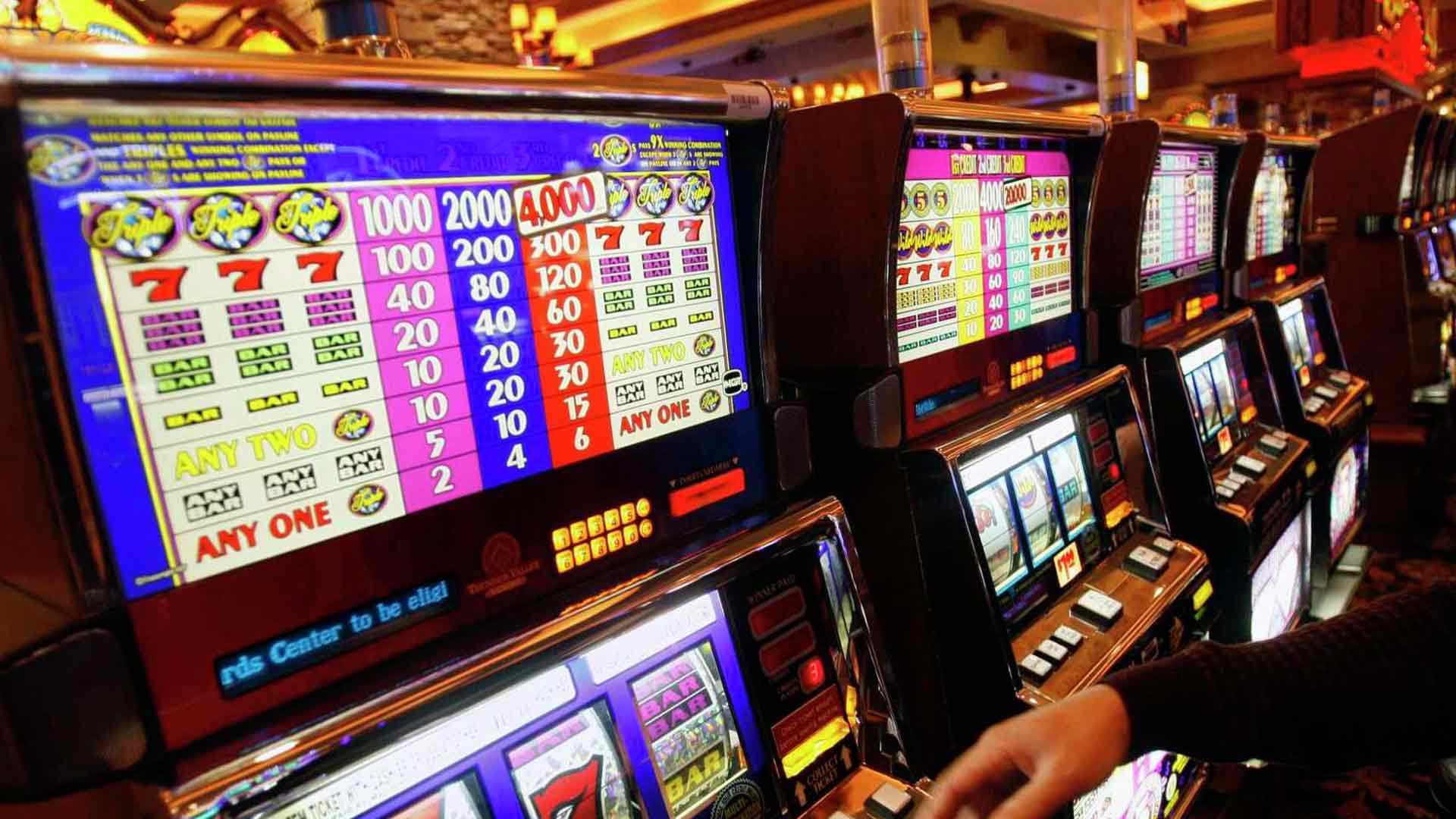
The glittering facade of casinos, with their vibrant lights and the enticing jingle of slot machines, often beckons with the promise of fortune. Yet, beneath this allure lies a sophisticated psychological battlefield where the house invariably holds the advantage. A central weapon in the casino’s arsenal is the masterful exploitation of the illusion of control – a cognitive bias that leads individuals to believe they can influence outcomes that are, in reality, purely random. Understanding this psychological phenomenon is crucial for anyone stepping onto the gaming floor, whether for entertainment or seeking an experience like m88 slot login.
Humans inherently seek patterns and control. This innate drive, while beneficial in many aspects of life, becomes a vulnerability in the context of gambling. Casinos expertly leverage several well-documented cognitive biases:
The Gambler's Fallacy: This is the mistaken belief that past outcomes affect future independent events. For instance, after a roulette wheel lands on black five times in a row, many will feel that red is "due" to appear, despite each spin having the exact same probability. This fallacy fuels further betting, driven by a false sense of predictability.
The Near Miss Effect: Imagine playing a slot machine and two out of three symbols align perfectly, just missing the jackpot. This "near miss" feels like a close call, suggesting that skill or luck is almost there, rather than just a random outcome. Research shows near misses activate the same brain regions as actual wins, encouraging continued play and reinforcing the illusion of impending success.
Personal Choice and Rituals: Gamblers often develop personal rituals – blowing on dice, crossing fingers, choosing a specific machine or seat. These actions, while harmless in themselves, create a subjective feeling of influence over the game's outcome. The belief that one's "lucky" socks or a particular way of pressing a button can alter probability is a powerful manifestation of this illusion.
Confirmation Bias: People tend to seek out and interpret information in a way that confirms their pre-existing beliefs. In gambling, this means remembering the wins and conveniently forgetting the losses, or attributing wins to skill and losses to bad luck. This selective memory reinforces the belief in one's own gambling prowess.
Beyond the inherent psychological biases, the physical and operational design of casinos is meticulously crafted to amplify the illusion of control and encourage prolonged play. The absence of clocks and windows creates a timeless, isolated environment, making it easy to lose track of time. Free drinks can impair judgment, further eroding rational decision-making.
The sounds and lights are also deliberately engineered. The celebratory jingles of slot machines, the flashing lights accompanying even small wins, and the constant hum of activity create an atmosphere of excitement and opportunity, masking the relentless reality of the house edge. Even the layout, designed to keep patrons moving through gaming areas, is part of this sophisticated psychological architecture. The feeling of being "in control" is subtly nurtured, even as the odds remain firmly stacked against the player.
For many, gambling remains a form of entertainment. However, for a significant number, the illusion of control paves a dangerous path towards gambling addiction. When individuals genuinely believe they can beat the system or influence random events, they are more likely to chase losses, bet larger sums, and spend more time and money than they can afford. This is where the entertainment value turns into a serious personal and financial crisis.
The belief that one is "due" for a win or that they have developed a "strategy" to overcome the odds can lead to a vicious cycle of escalating bets and increasing despair. It’s a tragic irony that the very psychological mechanisms designed to engage players can ultimately lead to their ruin.
The critical antidote to the illusion of control is a firm grasp of reality: gambling games, particularly those offered in casinos like slots and roulette, are fundamentally based on pure chance and mathematical probabilities. There is no skill involved in predicting a roulette spin or a slot machine outcome. Each event is independent, and the odds are always in favor of the house.
Awareness of cognitive biases in gambling is the first step towards responsible gaming. Understanding that near misses are just misses, and that past results do not influence future ones, empowers individuals to make informed decisions. Responsible gambling practices include setting strict time and money limits, never chasing losses, and recognizing that gambling is a form of entertainment with an associated cost, not a reliable way to make money. Resources for addiction prevention and support are readily available for those who find themselves struggling with the grip of this powerful illusion.
The allure of the casino is undeniable, a vibrant world where fortunes can seemingly be made in an instant. However, this world is built upon a subtle yet potent psychological foundation: the illusion of control. By understanding how casinos and our own minds conspire to create this mirage, individuals can approach gambling with a clearer perspective. Recognizing that luck, not skill, dictates outcomes in games of chance is paramount. Only then can one truly enjoy the thrill of the game without falling prey to the costly deception that they can command the unpredictable forces of fortune. Be aware, be informed, and gamble responsibly.